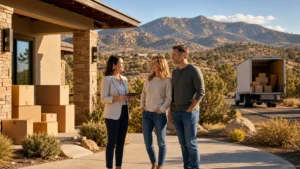
Buying land feels exciting, especially somewhere like Prescott, Arizona. It opens up a lot of possibilities, whether you’re planning to build a home or looking at long-term potential. But it’s not quite the same as buying a house. There’s more to think about, like the shape of the property or who owns nearby roads. If you’re looking through listings for Prescott, AZ land for sale, it helps to know what to keep an eye on from the start. This guide is meant for new buyers who want to feel confident before moving forward with their plans.
What Makes Land Different from a Regular Home Lot
Land might look simple from the outside, but there are details that can affect your next steps. A piece of land may be flat and clear, or it might be rocky, steep, or full of trees. Many properties look great online but could be hard to use right away.
- Some parcels are what we call “raw land,” meaning they haven’t been graded or cleared
- Driveway access isn’t always included, sometimes there’s no clear legal path to get to the land
- If the land is steep or oddly shaped, it might not fit the kind of house you have in mind
All of these details matter when you’re trying to picture the future. Getting land ready to build on can take time and work, so spotting these issues early really helps. It’s also helpful to know that even a flat, open-looking lot in photos could reveal drainage issues or rocky soil once you visit. Sometimes, vegetation or brush hides features that might affect building, so walking the property becomes very important. A survey or a simple walk with a local contractor can often reveal obstacles or advantages that aren’t obvious in listings or online photographs.
If the parcel hasn’t been graded or cleared, there may be extra costs involved before you can begin construction. It’s wise to factor these things into your plans so you’re not caught off guard. In addition, while a house lot might be set up to connect easily to roads and utilities, vacant land often requires more investigation and effort to prepare for building.
Understanding Access, Utilities, and Roads
Getting to your land easily and having the right services nearby can make a big difference. This is one part many new buyers don’t think about until later, but it can save some headaches if you look into it early on.
- Legal access means the right to drive to and from your land without crossing someone else’s property
- Not every plot in Prescott has power, water, or sewer already available
- Some roads might be private or not maintained, and that can cause trouble during storms or snow
If a road is dirt or very steep, you’ll want to think about whether it’s safe for everyday use. And if there’s no city water or power nearby, you might need to install alternatives like wells or solar, depending on what’s allowed.
Sometimes parcels are landlocked, meaning there is no actual road leading to the property at all. While some buyers imagine creating their own driveway wherever convenient, legal rules often require specific easements or permissions. Those easements give official access and can prevent disputes, but they aren’t guaranteed, so always double-check the title report and maps.
In some cases, road maintenance is handled by a group of neighboring owners or a small association, not the city. Knowing who fixes the road during bad weather or after heavy use can affect your experience living there. If a road isn’t paved or gets muddy, it may limit your ability to get in and out during certain times of year, especially after monsoon rains or snow.
Utilities are another crucial piece. Having power poles or water lines at the edge of your property does not always mean you automatically have the right to connect. Permitting processes may be required, and extending lines onto your property can be expensive, especially for more remote lots. On the other hand, some buyers love the independence of off-grid living, using solar panels, wells, or propane tanks, if local laws allow it. Connecting to a city system usually makes construction and daily use simpler, but every approach comes with its own set of considerations.
Know the Local Rules Before You Buy
Each part of Prescott has its own rules about what can be built and how land can be used. These zoning rules can shape your entire project, from whether you can build a home to how big that home can be.
- Some areas are only zoned for certain kinds of buildings or activities
- You might run into rules about fences, setbacks, or even what kind of driveway you can add
- Homeowner’s associations (HOAs) sometimes add extra layers of restriction, even on larger lots
Reading through these ahead of time helps you avoid surprises. A plot might seem like the perfect match until you find out you’re limited to a smaller build size or that you can’t keep horses on the land like you had hoped. The details in each zone’s code can be different, some zones allow mobile or manufactured homes, while others require site-built houses or limit things like barns, corrals, or sheds.
HOAs, if present, can add extra rules beyond the county or city’s restrictions. They might limit paint colors, driveway surfaces, or even how you keep your landscape. Some buyers are surprised to learn that HOA rules can carry as much weight as city laws in their daily use of the property.
It’s smart to confirm these things with local offices or by asking for written guidelines. Making a checklist of requirements, like minimum home sizes or permitted accessory buildings, can help when narrowing down your options. This avoids the frustration of selecting a plot that isn’t suitable for your long-term plans.
Take a Walk Before You Make Big Plans
Photos online only show so much. The best way to really understand a piece of land is to visit it. That’s when things become more clear.
- Walking the property helps you spot hills, low spots, and problem areas
- You’ll notice sounds too, maybe traffic or nearby activity that wasn’t obvious in pictures
- You can see how the sunlight hits different parts of the land during the day, which matters for building
Spending quiet time on the land helps you feel out where the house might go, how big the yard could be, or whether there’s a better view in one direction. It’s easier to picture living there when you’re actually standing on it.
When walking the property, it’s also useful to look for boundaries, survey markers, and signs of wildlife. Some lands may have animal trails, evidence of seasonal flooding, or even protected plants you need to preserve. Gathering all this information before committing helps avoid missteps in planning or building later.
You’ll also get a sense of the climate and how the land feels at different times of day. Is there a breeze in the afternoon, or does it get overly hot during the summer? Take note of these things, as small comfort details can matter a lot over time. If the area is particularly quiet or prone to outside noise, this will become clear when you spend even a short while on site.
Think Ahead to Make Smart Choices
Even if the land works for you now, it helps to think about what could change around it. Prescott is growing, and that means new streets, stores, or houses could show up nearby.
- Ask the city what’s planned in the area, it could be parks or new neighborhoods
- Think about how extra traffic or buildings might change how the land feels in five years
- Planning ahead gives you more control over what your future home experience might be like
If you’re buying land in a quiet part of town, but a development is being discussed nearby, that’s worth knowing early. Long-term thinking helps you feel better about your choice down the road.
Market conditions, government policies, and changing community plans can all play a role, so it’s smart to keep aware of local news and city meetings. What feels like a secluded lot now might eventually be close to a busy intersection, or a wooded area you love could be scheduled for future infrastructure improvements. The extra research helps protect your investment and ensures your vision for the land will be supported by future changes.
A Smart Start for a Solid Future
Picking the right land sets the tone for everything that comes next. The right lot shapes what you can build and how you’ll live. It’s not just about finding space, it’s about finding a place that works with your plans and feels right from the start.
When you’re looking through options for Prescott, AZ land for sale, it’s good to remember that knowledge makes a big difference. Learning how land works in this area helps you move forward with more certainty. If you’re thoughtful now, the rest starts to fall into place, piece by piece.
We always tell buyers to take their time. Ask questions, walk the land, and talk with local experts when you hit something confusing. Doing these things early makes your next steps a whole lot easier.
Exploring land in Prescott with future growth, privacy, or building potential in mind can be much easier when you see what’s currently available. Take a look at the latest Prescott, AZ land for sale to compare different lots and find features that match your vision. At Alexander Halenka & Associates, we’re here to answer questions and help you take the next step whenever you’re ready.